Burnout Is Real. But Is Doing Nothing Actually Helping?
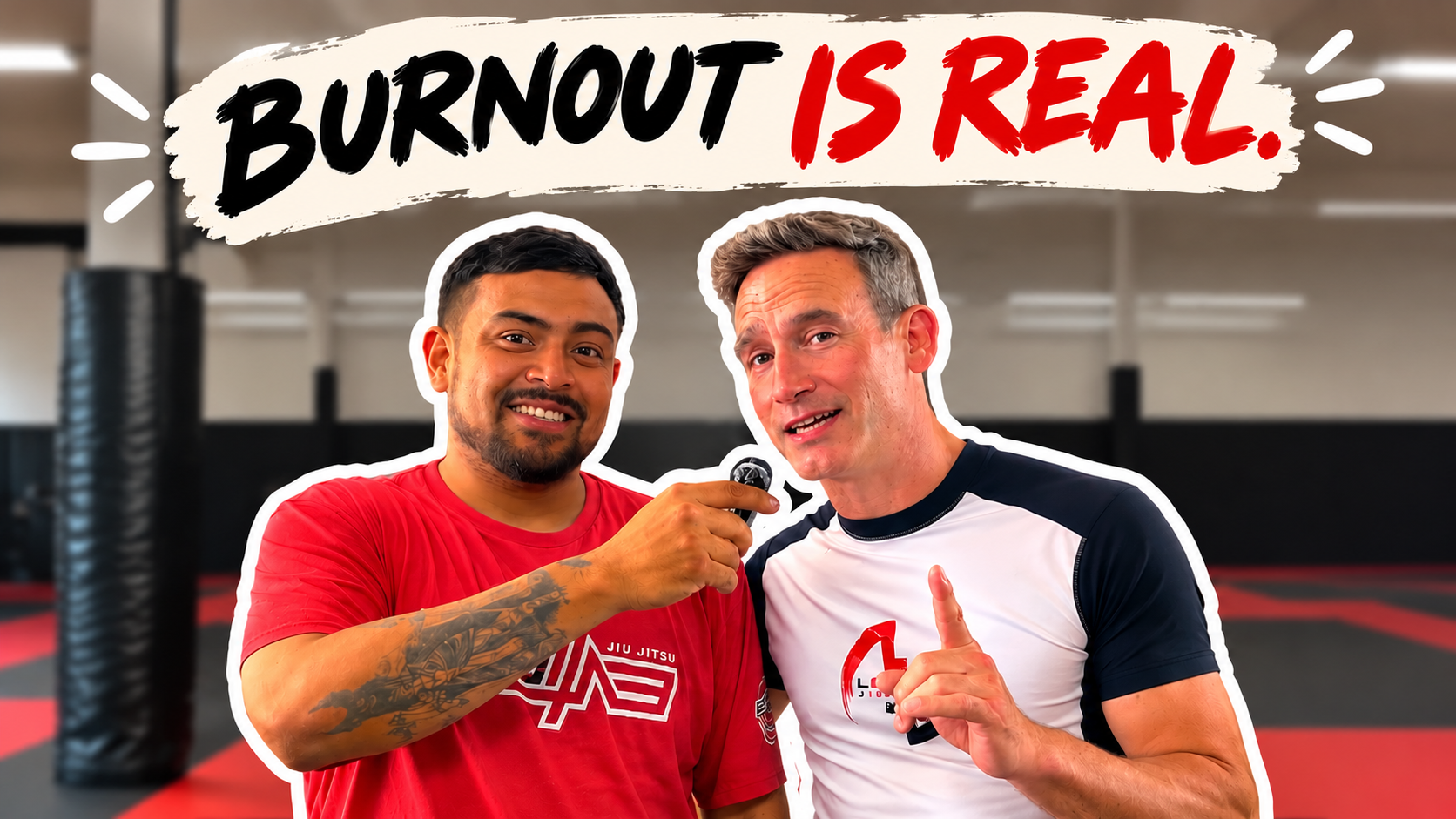
Between work, family, financial responsibilities, and everything else demanding our attention, it’s no surprise that so many of us feel exhausted.
And with the holidays approaching, things aren’t exactly slowing down.
By the time we finally get a moment to ourselves, the last thing we want to do is something that requires effort. So we scroll through our phones, binge another show, or spend the evening doing absolutely nothing.
Sometimes, that’s exactly what we need.
But have you ever spent an entire weekend doing next to nothing, only to feel just as drained come Monday?
It raises an interesting question: Are we actually resting, or are we just checking out?
Rest and Recovery Aren’t Always the Same Thing
Let’s be clear. Rest is necessary, and there’s nothing wrong with taking a day off.
But not everything we consider downtime is necessarily restorative.
An hour of mindless scrolling might distract us from our responsibilities, but it doesn’t always leave us feeling refreshed. The same goes for spending an entire day on the couch.
Sometimes we genuinely need sleep, quiet, or fewer obligations. Other times, what we’re missing might be movement, social interaction, or simply a change of environment.
The challenge is recognizing the difference.
When Doing Something Feels Better Than Doing Nothing
Exercise is usually associated with physical goals: building strength, improving endurance, or getting in shape.
But its benefits extend beyond the physical.
Movement can help regulate stress, improve mood, and provide a mental break from everyday responsibilities.
And that’s where martial arts offer something different.
Whether you’re learning a Jiu-Jitsu technique or working through a Muay Thai combination, you’re required to pay attention. You’re focused on timing, movement, and what comes next.
For an hour, your attention isn’t divided between work emails, household responsibilities, and everything else on your mind.
It’s not that your problems disappear. You’re simply giving yourself an opportunity to focus on something else.
And sometimes, that’s enough to make a difference.
The Other Side of Self-Care
We’ve become accustomed to associating self-care with slowing down, staying home, and doing less.
And there’s absolutely a time and place for that.
But self-care can also involve challenging yourself, learning something new, or spending time around people who share your interests.
It doesn’t always have to be relaxing to be beneficial.
Of course, genuine burnout isn’t something you can simply exercise your way out of. Sometimes recovery requires meaningful rest, reduced responsibilities, or additional support.
The point isn’t to replace rest with activity.
It’s to recognize that what helps us recover isn’t always the same thing as what helps us disconnect.
Rethinking Our Priorities for 2027
As another year comes to an end, conversations about resolutions and fitness goals are bound to pick up again.
But perhaps the more useful question isn’t how much more we can accomplish next year.
It’s whether our current routines are actually working for us.
Are we making time for things we enjoy? Are we finding healthy ways to manage stress? Do we have opportunities to connect with people outside our usual responsibilities?
At Evolve Training Center, we see how training can become more than just another workout. For many members, it’s an opportunity to learn, challenge themselves, build relationships, and have time dedicated to something they genuinely enjoy.
And that matters.
As we head into 2027, maybe the goal doesn’t need to be another dramatic lifestyle change.
Maybe it’s simply being more intentional about how we spend our time—and recognizing what actually helps us feel better.
— Evolve Training Center